Posted on

The Value of Home

Dominic Parravani

Dominic Parravani from Durrants looks ahead to a time when we can all move freely from our homes.
 
In houses and apartments all over the country those in lockdown are thinking about life after release. Even now, at the height of the pandemic, people are dreaming of post-virus life. We know they are because they are telling us so.
 
If this period of isolation from our families, friends and familiar routines has taught us anything, it has taught us about the value of home. No matter how small – and for those in tiny flats without outside space the lockdown has been much harder than for most – our homes have kept us safe.
 
But that is what homes do and have always done, it is what they are designed to do. They keep unwanted intruders out. Over the past few decades this side of home ownership seems to have taken a back seat to investment and capital growth. That thinking will change. Security, affordability in crisis, comfort in lockdown and space appropriate to need will jump into the driver’s seat – with location, location, location in the passenger seat.
 
This time in lockdown has given many of us the opportunity to re-evaluate where and how we live. Our shopping habits will have changed further, and so will our methods of communicating and streaming entertainment. In future lots more of us will work from home, having realised that many can be just as effective without a daily commute. Some will want more substantial homes, and some will have decided to downsize or rightsize. Many will elect a lifestyle change, choosing to move to the country, to the coast or to a bustling and lively city centre close to all amenities.
 
Our needs for what a home gives us will change, but it will not alter the local property market.  Coronavirus is a health issue: it is not a property issue. This virus has reminded us what a wonderful, helpful and joyous community we inhabit and the true value of living here.
 
When we are over this emergency, Durrants will be here to understand your property needs and offer suitable and attractive solutions, because if there is one thing we do know a great deal about, it is the value of home.
Posted on

Screen Appeal

Screen Appeal

Dominic Parravani of Durrants explains a vital step a seller can make now to help achieve a successful property sale once the coronavirus danger has passed.
 
The daffodils have bloomed and the bluebells are about to, and it should be a perfect time to sell your property. Except it isn’t. Instead our thoughts are of saving lives through sheltering at home.
 
It might seem counterintuitive, but this might be the ideal time to at least start planning your next move – and particularly the sale of your home. As the country deals with Covid-19, there are positive moves you can make to prepare your property for the market – when the threat is well and truly over.
 
So why not use these weeks ahead to take a step back and try to see your property through a future buyer’s eyes.
 
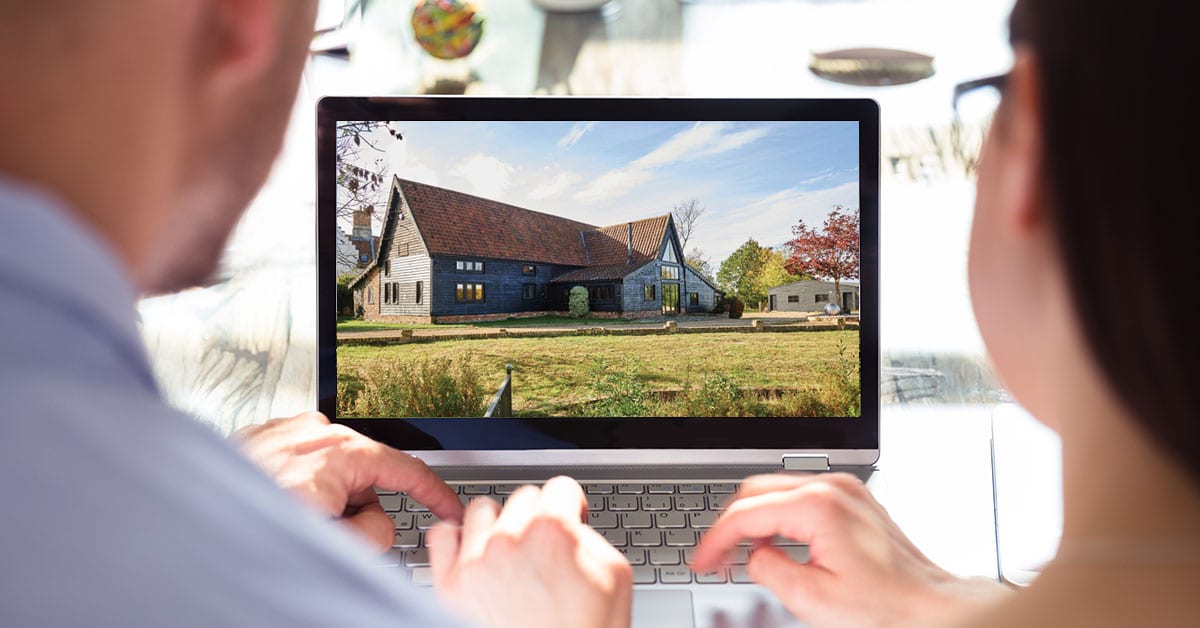
Estate agents have always talked about kerb appeal – how well a property looks to a passer-by. This impression is still important. But more so at the moment, is screen appeal.  Most potential buyers will see your property via a mobile or desktop device, not by walking or driving past.
 
This provides sellers with a great marketing opportunity. On screen you have the chance to present your property at its very best, all the time – regardless of weather and other detrimental factors. With the benefit of extra time, photographs of your property can be taken on a lovely bright day with the sun in just the right direction – and with the windows sparkling clean. Your garden can look its best with no cars in the drive or bins in the way. In other words, you have control of what people see on screen in a way that you can’t always when someone is randomly driving past at any time of day or night.
 
So, why not make full use of this opportunity? Remember, if a buyer doesn’t think you are proud of your property they probably won’t be interested in buying it. Your property deserves to look its best. You need to make a great impression.  
 
At Durrants, we can advise you how to make your property look the best it can on screen for when that critical buyer comes calling online. We understand how vital it is to create an excellent first impression – after all, you will never have a second chance.

Posted on

COVID-19 Update

COVID-19 Update
In accordance with emerging Government guidance, Durrants has implemented a homeworking policy. The business has developed a contingency plan for this eventuality and is able to operate in this way for the duration of the Covid-19 crisis. We will adopt proportionate measures to ensure that our services continue to be delivered, with minimal interruption where possible, whilst operating within the parameters set by prevailing Government advice. We are encouraging the use of video conference calls and are able to host these for you. If you would like more information about these, please do not hesitate to get in touch with your usual contact within Durrants or the head of the relevant department. Durrants has been trading since 1853 and we have been through world wars, recessions and everything else the last 160 years has thrown at us. We came through then and we will come through now, even stronger than before. We wish everyone the very best during these unusual times and please do not hesitate to contact us if we can help in any way. Keep safe.
Posted on

How can the Budget can move the housing market?

Adding £££s
Dominic Parravani looks ahead to the March Budget. The year has started well in the property market, but what could the Chancellor do to really get things moving?

On the 11th of March, Budget Day, all eyes will be on our new Chancellor of the Exchequer, the Rt Hon Rishi Sunak MP.

One group of English taxpayers will be especially interested in what, if any, changes there are to Stamp Duty. This tax is payable by those buying property over £125,000 – although first-time buyers aren’t liable for stamp duty on homes up to £300,000. The taxation for Scottish and Welsh homebuyers is slightly different.

With the average house price in the UK now £234,742, this stamp duty affects a great many homebuyers. So much so, that over the 2018/19 tax period, the government collected almost £12 billion in stamp duty revenue. A cynic might think, small wonder the government is actively persuading the population to buy homes.

But the problem with high stamp duty is that it does the opposite. It deters people from moving – prevents people in larger homes, they don’t need, from downsizing and selling to people who do need them. It stalls the market and prevents a natural flow of discretionary buying and selling.

A previous Tory plan was to overhaul stamp duty by raising the threshold from £125,000 to £500,000 and lower the top rate – which applies above £1.5m – from 12% to 7%. But this was dropped from the last election manifesto. Could the Chancellor resuscitate this policy? It would greatly help the housing market if he did.

Although the introduction of a mansion tax is looking unlikely, overseas buyers will worry that the Chancellor will introduce a 3% stamp duty surcharge. This tax would include ex-pats wanting to move back home – after Brexit, more likely than for many years. This levy would be on top of stamp duty already payable, including the 3% surcharge on second homes and buy-to-let properties.

Successive chancellors might not have been precisely helpful to the housing market. Now that this government seems keen to build infrastructure, perhaps they will be inclined to treat housing – and flood defences – with the same importance the population does. Railway lines may be necessary but aren’t good homes and a buoyant property market more so?
Posted on

20-20 vision into the property market

Mark Mugliston

Mark Mugliston, Residential Sales Manager at our Diss office, shares some good news on the wider property market and industry.

The dominant feature of the market in the last 12 months has been caution. Many potential sellers decided to stay put amid political and economic uncertainty, amid the Brexit debate and general election. Whilst the goings-on in Westminster last year put off sellers, demand among potential buyers remained relatively stable.

Low interest rates meant mortgages were relatively cheap for anyone finding a home within their budget. First-time buyer numbers were also surprisingly healthy. Debt, divorce, schools and new jobs still prompted people to move.

That led to prices rising on average across the country, if only by a little, rather than wholesale property price drops. The Nationwide Building Society says, on average, UK house prices went up by 1.4% over the year. The falls were mostly seen in and around London – the market most affected by Brexit uncertainty and from where a large number of our buyers come from.

What will happen in 2020?

The result of the general election has brought a level of political certainty and a clear route, in the short-term at least, for the Brexit process. Many experts suggest this could play out in the housing market with a release of some pent-up demand among buyers and sellers. People who put off making one of the biggest financial decisions of their lives may now feel more confident in making that step.

While that may inject some activity in the housing market in the first few months of the year, most commentators do not expect it to last. Before long, they say, the uncertainty and debate over the UK’s future relationship with the EU could mean more caution in the sector.

As a result, they are mostly predicting that house prices will rise by 2% from the start to the end of 2020.  Only one market commentator, Henry Pryor, seemed to be forecasting a fall in prices this year in a BBC article about the state of the market.  Everyone else, from mortgage lenders to those working for the main property portals, is expecting a modest increase.

These predictions are for a UK average, but the housing market must always be considered on a local level. House prices can be affected by anything from schools to new developments and transport links, sometimes recording different rates of change from street to street.

Richard Donnell, director of research and insight at Zoopla, suggests that the more ‘affordable’ cities for property, such as Glasgow, Belfast and Liverpool, could witness the biggest rises in prices in 2020, up by about 4%. The least affordable – London – could see prices rise by about 2%, he says.

Affordability, as in any year, is crucial to demand, particularly from first-time buyers. The eyes of the property world are firmly on the new government and its housing policies.

These policies need to focus on those first-time buyers, many of whom are struggling to save a deposit and may not want to buy a new-build home through the government’s Help to Buy assistance scheme. It will also be interesting to see whether we really do get a programme to actually build truly affordable homes.

The biggest challenge could simply be that housing is not at the top of the government’s priorities.

There may be more darkness than light in EU negotiations and some pinball politics to contend with again in 2020. That means buyers and sellers could play it safe and house prices could well hold steady again.

Posted on

Snowdrops

Snowdrops

Dominic Parravani responds to the dramatic start to the new property year and looks at the green shoots of improvement.

Like early snowdrops, property buyers have begun poking their heads above ground after a long period of slumber. In fact, in some parts of the UK, there are significant and spectacular drifts of these ‘snowdrops’ appearing. Is this because of the time of year? Partly: but more likely because we are emerging from an extended and dark period of lifelessness in the property market.

Call it the Boris or Brexit Bounce if you like, but whatever term you give it there is a definite surge in the market with markedly more interest and activity. All over the country numbers of registrations, viewings, offers and sales are up on the previous two or three years – and it’s only February.

Confidence should be the name given to the first physical brick laid in any house construction or metaphorical brick laid in the re-building of the property market. It is confidence that is driving this newfound interest, and it comes at a perfect time of the year.

There was concern that a December election would be harmful in multiple ways. Well, in the case of the property market, it was perfect. With the will-we/won’t-we Brexit issue settled a large cloud of uncertainty was lifted and those who were sitting on their hands have, post-New Year, suddenly jumped into action.

Behind this energy is several years of pent up demand. Those who could wait to make a move or who were nervous did wait. But now the waiting is over. In all sectors of the market and across all regions demand is higher than it has been for years.

This is all exciting stuff, but we should not get too carried away. In property confidence can soon give way to over-confidence, with sellers often eager to set higher asking prices. We don’t want to see all those snowdrops droop under an ill-considered layer of expectation. 

So prudence and guidance are critical factors in sustaining this excellent start to 2020. As always, before embarking on selling and or buying a property, we advise seeking the wisdom and counsel of a mature and experienced local independent estate agent before you join the fray. We’d love to help and advise you – do please call us now on 01502 723292.

Posted on

Dare to dream

Dominic Parravani

Dominic Parravani takes a fresh look at the property market as we enter the New Year.

If you read or listen to the property press, or the national media commenting on the property market, you will know they are currently awash with speculation and projections on the way the market will behave in 2020. But it is only speculation. We have never been in conditions quite like this – coming off the back of a surprisingly emphatic election and three-plus years of market dormancy, brought on by political confusion and inertia.

However the national press are not necessarily the safest forecasters of the overall picture.  Many seem to forget that the property market is not one homogenous whole across the country but is a series of mini-markets affected by local and regional economic micro climates.

As we enter a new decade, these micro conditions will once again enter into play. Regions about to see economic stimulus will come into a new focus. Areas benefiting from new infrastructures such as transport will become targets for renewed interest from buyers. Parts of the country that have been in decline will begin to bloom and perhaps even boom in property terms. Sellers will reap the reward.

Of course, buyers will still choose locations for schooling, work, retirement and natural beauty so these factors will continue to be strong personal influencers. But one thing most of us in the business can agree on is that the cloak of uncertainty which created the prolonged slough of activity in the property market has lifted.

It is although a curtain has been drawn back to reveal new dreams and a buying and selling public now prepared to act. The increased number of new buyers and sellers already contacting us this year emphasises this.

But the change in public perception will not come overnight. It will happen by degree. But it will occur as new opportunities arise. Hot spots will evolve. The secret for buyers is understanding and even anticipating where these hot spots might be.

As estate agents, experts in property and our communities, we are the people best suited to comment on the market in our area. We have been doing this for a long time. Whatever your property dreams please come and talk to us first. We are dream catchers.